


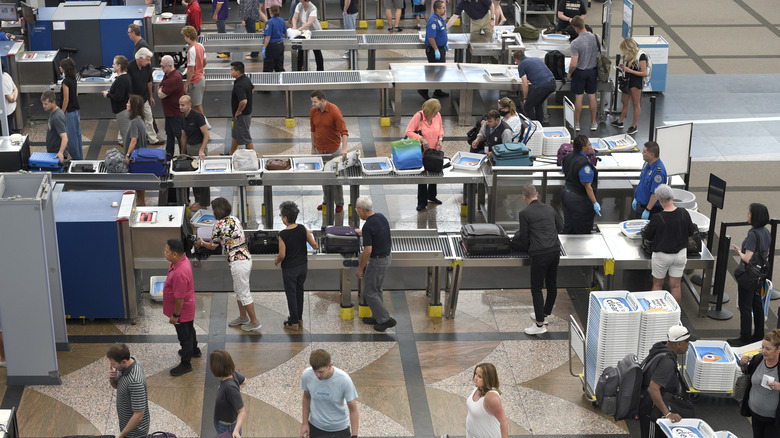
If you have ever wondered how early should you arrive at airport USA, you are not alone. Airport arrival timing is one of the most common—and stressful—questions faced by first-time flyers, families, and occasional travelers. Arriving too late can mean missed flights, lost baggage, and costly rebooking fees. Arriving far too early can lead to unnecessary waiting and fatigue before your journey even begins.
- Quick Answer: How Early Should You Arrive at a US Airport?
- Why Airport Arrival Time Is So Important in the USA
- Official TSA Arrival Guidelines Explained Clearly
- How Early Should You Arrive for Domestic Flights in the USA?
- How Early Should You Arrive for International Flights from the US?
- Factors That Impact Airport Arrival Time the Most
- Understanding TSA Security Wait Times at US Airports
- How TSA PreCheck, CLEAR & Trusted Traveler Programs Affect Arrival Time
- Airport Arrival Tips for Families & First-Time Flyers
- Recommended Airport Arrival Time Chart (Easy Reference)
- What Happens If You Arrive Late at a US Airport?
- How to Reduce Your Airport Waiting Time Without Stress
- Frequently Asked Questions (People Also Ask)
- Final Thoughts: The Smart Way to Plan Your Airport Arrival Time
This comprehensive guide explains airport arrival time in the United States, breaking down TSA arrival guidelines, real-world security wait times, and the factors that truly determine how early you should arrive. Whether you are flying domestically, heading overseas, traveling with children, or navigating a busy holiday airport, this article gives you clear, practical answers backed by current airport operations and traveler behavior.
Quick Answer: How Early Should You Arrive at a US Airport?
For most travelers, the standard recommendation is:
- Domestic flights: Arrive at least 2 hours before departure
- International flights: Arrive at least 3 hours before departure
However, these are baseline guidelines, not guarantees. In many real-world situations—such as peak travel days, early-morning departures, or family travel—arriving earlier than the minimum is often the safer choice.
When 2 or 3 Hours Is Not Enough
You should plan to arrive earlier if:
- You are flying during holidays or weekends
- You are checking bags
- You are traveling with children or elderly passengers
- Your flight departs early in the morning
- Your airport is a major hub with high passenger volume
Understanding why arrival time matters helps you plan with confidence rather than anxiety.
Why Airport Arrival Time Is So Important in the USA
Airport arrival timing in the United States is influenced by several layers of systems working together—airlines, airport authorities, and security screening. A delay at any point can ripple through your entire travel plan.
Airline Check-In Deadlines
Most US airlines close:
- Checked baggage drop-off: 45–60 minutes before departure (domestic)
- Check-in counters: Up to 60 minutes before departure
- Boarding gates: 15–30 minutes before departure
Arriving late means you may be denied boarding even if your flight is technically still scheduled to depart.
TSA Screening Unpredictability
Security lines are rarely consistent. Even at the same airport, wait times can vary dramatically based on:
- Time of day
- Staffing levels
- Passenger behavior
- Equipment or lane closures
Why US Airports Feel Different
Compared to many international airports, US security screening is centralized and heavily regulated, which can result in bottlenecks—especially during peak periods. This is why arriving early at airport checkpoints is more than just a suggestion.
Official TSA Arrival Guidelines Explained Clearly
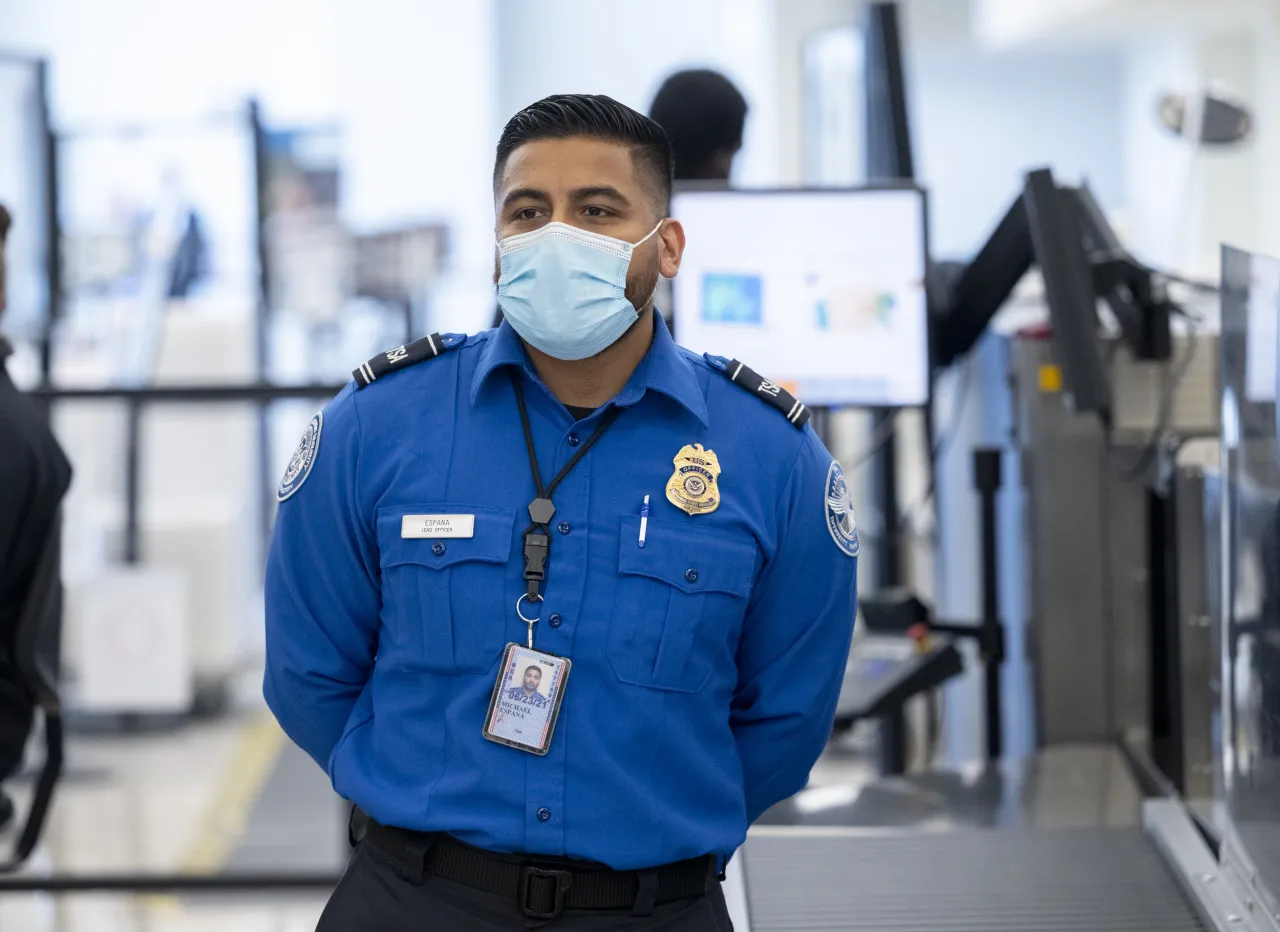
The Transportation Security Administration provides general arrival guidance, but many travelers misunderstand what these rules actually mean.
What TSA Officially Recommends
- 2 hours before domestic flights
- 3 hours before international flights
These guidelines are designed to cover average conditions, not worst-case scenarios.
Why TSA Guidelines Are Only a Starting Point
TSA recommendations do not account for:
- Airline baggage cut-off rules
- Peak holiday surges
- Weather disruptions
- Airport-specific congestion
TSA vs Airline Rules: What Travelers Often Confuse
TSA controls security screening, not airline check-in. You may clear TSA only to find that:
- Your airline counter is closed
- Boarding has already ended
- Checked baggage is no longer accepted
This is why your airport arrival time must account for both TSA and airline policies.
How Early Should You Arrive for Domestic Flights in the USA?
Domestic flights may seem simpler, but they often experience the worst congestion.
Early Morning Flights (Before 8 AM)
Early departures frequently coincide with:
- Compressed TSA staffing
- High volume of business travelers
- Multiple flights departing simultaneously
Recommended arrival:
2.5–3 hours early, especially at large airports.
Midday & Afternoon Flights
These typically offer more predictable flow.
Recommended arrival:
2 hours early, with a buffer if checking bags.
Evening Flights & Last Flights of the Day
Evening travel risks include:
- Delayed aircraft from earlier flights
- Fatigued staff
- Fewer rebooking options
Recommended arrival:
2–2.5 hours early
Flying During Weekends vs Weekdays
- Weekends: Higher leisure travel volume → arrive earlier
- Weekdays: Morning business travel congestion → arrive earlier
How Early Should You Arrive for International Flights from the US?
International travel introduces additional layers of complexity.
Airline Check-In Desk Deadlines
International check-in counters often close:
- 60–90 minutes before departure
Missing this window almost always results in denied boarding.
Passport, Visa & Document Checks
Airlines must manually verify:
- Passport validity
- Entry requirements
- Visas and onward tickets
These checks take time and cannot be rushed.
International Flights with Domestic Connections
If your international flight follows a domestic connection:
- Buffer time between flights is critical
- Missed connections may require rebooking or overnight stays
Recommended arrival:
3–3.5 hours early
Factors That Impact Airport Arrival Time the Most
Airport Size: Major Hubs vs Regional Airports
Large hubs (Atlanta, Chicago, Los Angeles) experience:
- Higher passenger volume
- More complex terminal layouts
- Longer security queues
Smaller regional airports may still face delays due to:
- Limited staffing
- Fewer TSA lanes
Peak Travel Seasons & Holidays
Expect longer security wait time airport delays during:
- Thanksgiving
- Christmas and New Year
- Spring break
- Summer weekends
Weather Disruptions & TSA Backup Delays
Bad weather does not just delay flights—it slows:
- Passenger processing
- Staff arrival
- Equipment operation
Special Events & School Vacation Travel Surges
Large conventions, sporting events, and school breaks can overwhelm airports unexpectedly.
Understanding TSA Security Wait Times at US Airports
Security wait times are one of the biggest variables in airport arrival planning.
Why TSA Lines Can Change Hour to Hour
Security flow depends on:
- Passenger preparedness
- Lane availability
- Secondary screening rates
What Slows Down Security Screening Most
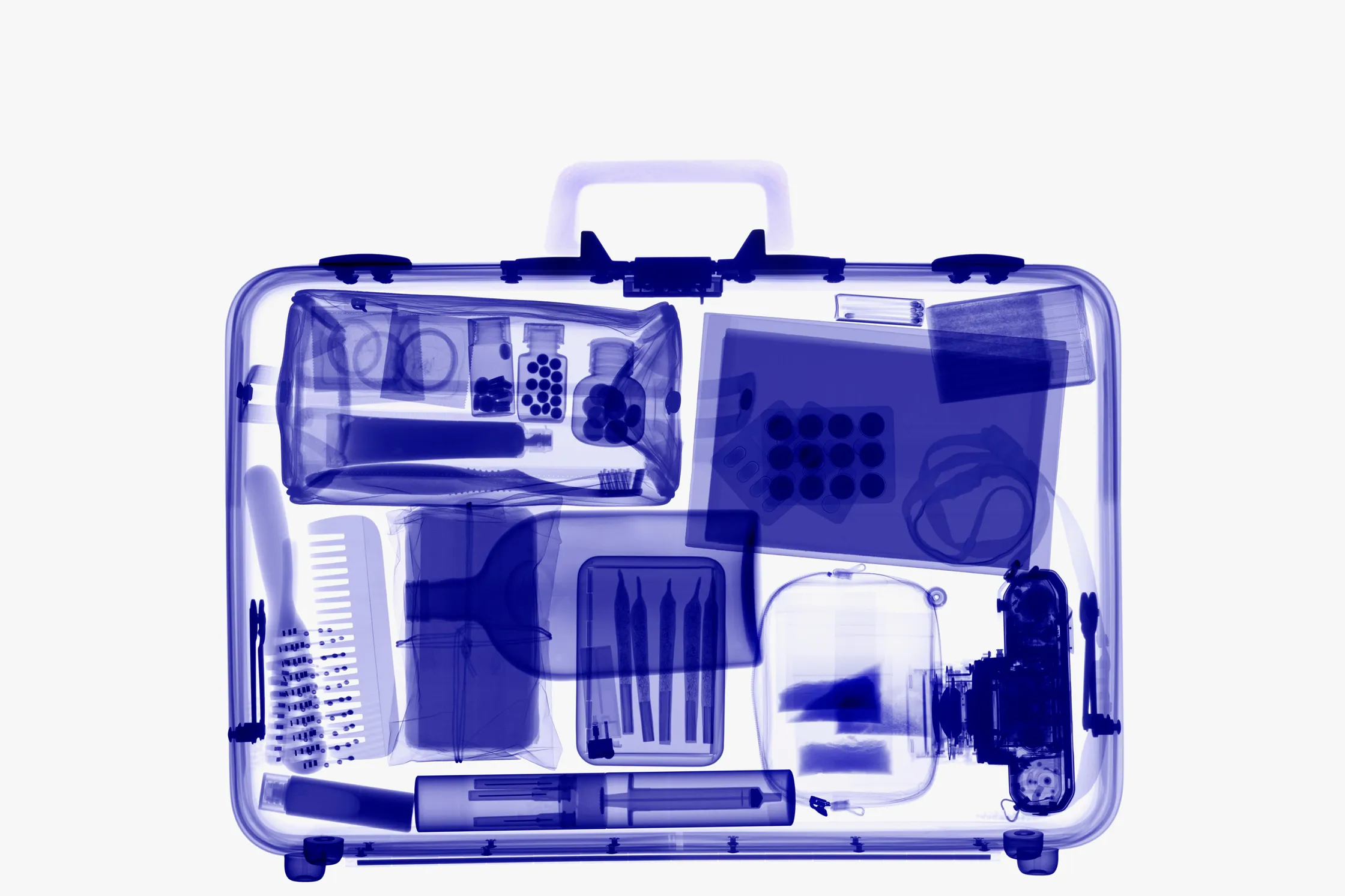
- Improperly packed bags
- Liquids violations
- Electronics not removed
- Families unfamiliar with procedures
Typical Security Wait Time Airport Ranges
- Low traffic: 10–20 minutes
- Moderate traffic: 30–45 minutes
- Peak travel: 60–90+ minutes
For deeper insight, see our full TSA wait time analysis:
https://www.airportguideusa.com/tsa-wait-times-at-us-airports-how-long-security-really-takes/
How TSA PreCheck, CLEAR & Trusted Traveler Programs Affect Arrival Time
TSA PreCheck Timing Expectations
TSA PreCheck travelers often experience:
- Shorter lines
- Faster screening
- Fewer bag requirements
Average wait: 5–15 minutes (not guaranteed)
Is TSA PreCheck Helpful for Families?
Children under 12 may accompany eligible adults, making it useful for families—though preparation is still essential.
CLEAR vs TSA PreCheck: Arrival Time Comparison
- CLEAR: Identity verification speed
- PreCheck: Faster screening process
Neither eliminates the need to arrive early during peak periods.
Airport Arrival Tips for Families & First-Time Flyers
Traveling with Kids, Strollers & Car Seats
Expect:
- Additional screening
- Slower movement through checkpoints
Recommended buffer: Add 30–45 minutes
First-Time Flyer Timing Mistakes to Avoid
- Underestimating airport size
- Not accounting for signage confusion
- Assuming security lines move quickly
Traveling with Elderly or Special-Needs Passengers
Plan for:
- Mobility assistance
- Preboarding coordination
- Longer walking times
Recommended Airport Arrival Time Chart (Easy Reference)
| Travel Scenario | Recommended Arrival Time |
|---|---|
| Domestic, off-peak | 2 hours |
| Domestic, peak travel | 2.5–3 hours |
| International | 3–3.5 hours |
| TSA PreCheck | Reduce by ~30 minutes |
| Families | Add 30–45 minutes |
What Happens If You Arrive Late at a US Airport?
Missed Flights & Boarding Gate Closures
Once boarding closes:
- Airlines are not obligated to rebook for free
- Same-day changes may incur fees
Checked Baggage Cut-Off Rules
Late baggage arrival often means:
- Bags travel without you
- Or are refused entirely
Standby, Rebooking & Same-Day Change Realities
Late arrival reduces your flexibility and increases costs.
How to Reduce Your Airport Waiting Time Without Stress
Online Check-In & Mobile Boarding Passes
Check in 24 hours early whenever possible.
Packing Smart for Faster TSA Screening
- Follow liquid rules
- Organize electronics
- Wear easy-to-remove shoes
Choosing the Least Crowded TSA Checkpoint
Some airports offer multiple security entrances—use signage and staff guidance.
Best Times to Enter Security at Busy Airports
Avoid:
- 5–7 AM
- 3–6 PM
During peak seasons.
Frequently Asked Questions (People Also Ask)
How early should you arrive at airport USA for domestic flights?
Most travelers should arrive at least 2 hours early, but 2.5–3 hours is safer during busy travel periods.
Is arriving 2 hours early really enough?
Sometimes, but not during holidays, early mornings, or when checking bags.
What is the average TSA security wait time?
Anywhere from 10 to 90+ minutes, depending on traffic and staffing.
How early should families arrive at the airport?
Families should add 30–45 minutes beyond standard recommendations.
Do I need to arrive earlier during holidays?
Yes. Holiday travel almost always requires additional buffer time.
How early should I arrive if I have TSA PreCheck?
You may reduce arrival time slightly, but peak travel still requires caution.
Is arriving too early a problem?
No. Most US airports allow early entry, and arriving early reduces stress.
Final Thoughts: The Smart Way to Plan Your Airport Arrival Time
Knowing how early should you arrive at airport USA is about more than following a rule—it is about understanding risk, variability, and your personal travel situation. Arriving early is not wasted time; it is insurance against missed flights, stress, and unnecessary expenses.
Smart travelers plan buffers, not bare minimums.
Planning an upcoming trip?
Explore our expert airport guides, TSA wait time insights, and arrival planning tips on AirportGuideUSA.com to travel confidently, avoid surprises, and start every journey stress-free.




I’m gone to tell my little brother, that he should also pay a visit this weblog on regular basis to obtain updated from most recent reports.
What’s up, this weekend is good for me, for the reason that this moment i am reading this fantastic informative paragraph
here at my residence.
Alvesjostogel + OLXTOTO = kombinasi mantap ⚡
Gak pernah zonk
Info tentang game slot99 terbaru di sini cukup lengkap,
slot99bet sangat membantu pemula
Jilimacaocasino, sounds interesting. Hope they have all the classic games and maybe some new ones too. A good welcome bonus would be a plus! Let’s roll the dice! jilimacaocasino
Thinking about trying 23win01bet… Anyone else used it? The odds look alright, and they have a few promos, might be worth signing up! Check out 23win01bet details here.: 23win01bet
Yo, I’ve been watching some YY Live streams and betting on YYLiveBet. It’s actually pretty entertaining. Maybe you should yy live see the content yourself.
Coca88bet- pretty clean and simple. Not a whole lot that is revolutionary, but seems like a solid place. Try over coca88bet.
One88SBS, another sportsbook huh? Well, gotta check the odds and see if theres any good value. Hope so! Could use a good win. one88sbs
Alright fellas, giving 777wincasino a spin. The layout is pretty slick, got a ton of games. Let’s see if Lady Luck is on my side tonight. Fingers crossed for some big wins. Give it a shot if you’re feeling lucky: 777wincasino
Heard some good things about 95vnvin, so I’m gonna deposit a little something and see what’s up. Hope they got a good selection of slots and maybe some even better bonuses. Wish me luck. Check them out yourself: 95vnvin
Lottuse… never heard of it before. Is it like a lottery thing? Guess I’ll check it out. Maybe my lucky numbers are waiting for me there, heh! See what they’re about: lottuse
Сайт с контентом для взрослых предлагает широкий выбор
видео для взрослых развлечений.
Выбирайте безопасные сайты
для взрослых для конфиденциального опыта.
My website; трансмейлский минет
I do like the way you have presented this particular issue and it really does supply me a lot of fodder for thought. Nonetheless, through just what I have seen, I just hope as other responses pile on that individuals continue to be on point and in no way embark on a tirade involving the news of the day. Anyway, thank you for this fantastic piece and though I do not necessarily concur with the idea in totality, I value your standpoint.
Lucky91game, now that sounds promising! Gotta try my luck sometime, right? Check it out at: lucky91game
Trying to log in to sg777login… anyone else having issues? Or am I just completely messing it up? Try to log in at sg777login later
Okay, slot fans, who’s been spinning at slotspk32game? Any tips for a newbie? Give them a spin at slotspk32game.
Adopt Home Bred Tiny PomChi Puppies Near me
Inhoud voor volwassenen is toegankelijk via veilige en betrouwbare websites.
Ontdek veilige adult sites voor kwaliteitsinhoud.
Feel free to surf to my blog … blowjob videos
[4512]tk11 Official Login | অনলাইনে ক্যাসিনো গেম ও অ্যাপ ডাউনলোড,tk11 সাইটে আজই যোগ দিন। এখানে বিকাশ দিয়ে টাকা ডিপোজিট করে সহজেই স্লট গেম খেলার নিয়ম শিখে নিতে পারবেন। দ্রুত অ্যাপ ডাউনলোড করে খেলা শুরু করুন। visit: tk11
[6841]ar66 Official Login | Trusted Online Casino Malaysia Fast Payout,ar66 offers a premium gaming experience with an easy app download and a wide selection of online slots. Enjoy secure play and rapid withdrawals. Join us today! visit: ar66
[5801]bk333 Official Login | বিকাশ দিয়ে স্লট ও লাইভ ক্যাসিনো গেম,bk333 অফিসিয়াল লগইন করে সেরা অনলাইন ক্যাসিনো বোনাস লুফে নিন। বিকাশ দিয়ে সহজেই স্লট গেম খেলুন এবং অ্যাপ ডাউনলোড করে শুরু করুন। আজই জয়েন করুন। visit: bk333
[5882]Batangtoto | Link Alternatif Resmi dan Slot Gacor Hari Ini,Batangtoto menyediakan akses login resmi dan link alternatif terbaru. Nikmati daftar casino terpercaya dengan kemudahan deposit via Dana. Daftar dan mainkan sekarang! visit: batangtoto
[6095]ok356 | Link Vào Chính Thức – Tải App Và Cách Chơi Baccarat,ok356 cung cấp đường dẫn truy cập an toàn, hỗ trợ tải app apk nhanh chóng và hướng dẫn nạp tiền qua Momo tiện lợi. Khám phá ngay các bí kíp quay hũ slots thắng lớn. visit: ok356
[4036]ck4444 Official Login | Legit Online Slots at Mabilis na Cash Out,Gamitin ang ck4444 official login para sa legit online slots. I-download ang app para sa pinakamabilis na cash out at madaling paglalaro. Mag-sign up na ngayon! visit: ck4444
I’ve read a few good stuff here. Definitely worth bookmarking for revisiting. I wonder how much effort you put to make such a great informative website.
[7242]Mexloki Login Oficial | Mejores Slots Online y Depósitos OXXO,Accede a mexloki para disfrutar las mejores slots y ruleta online. Descarga la app y realiza tus depósitos fácilmente vía OXXO. ¡Regístrate y comienza a jugar hoy! visit: mexloki
I’ve tried a few platforms lately, but this one really stands out. The interface is super smooth and the payouts are fast. Definitely my new go-to spot! Check out idmega303 for a great experience.
Canada’s Home for Arcade 🚚 Pinball Machines
[6334]Penaslot: Login Resmi Situs Slot Gacor Hari Ini Terpercaya,Penaslot menyediakan akses login resmi dan download APK untuk kemudahan bermain judi casino online terpercaya. Pelajari cara deposit dana slot dan daftar sekarang! visit: penaslot
[1626]bbbet লগইন এবং অ্যাপ ডাউনলোড | বিকাশ দিয়ে ক্যাসিনো ডিপোজিট,bbbet অ্যাপ ডাউনলোড করে অনলাইন স্লট গেম খেলার নিয়ম জানুন এবং লাইভ ক্যাসিনো বোনাস অফার বুঝে নিন। আজই আপনার অ্যাকাউন্ট তৈরি করে গেম শুরু করুন। visit: bbbet
Great platform with a very professional feel. I appreciate the security measures they have in place for deposits. bdk7777vip is definitely a five star choice for me.