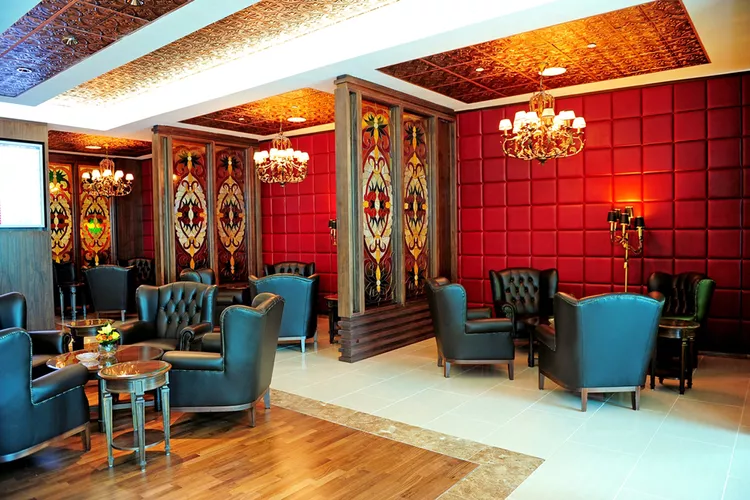


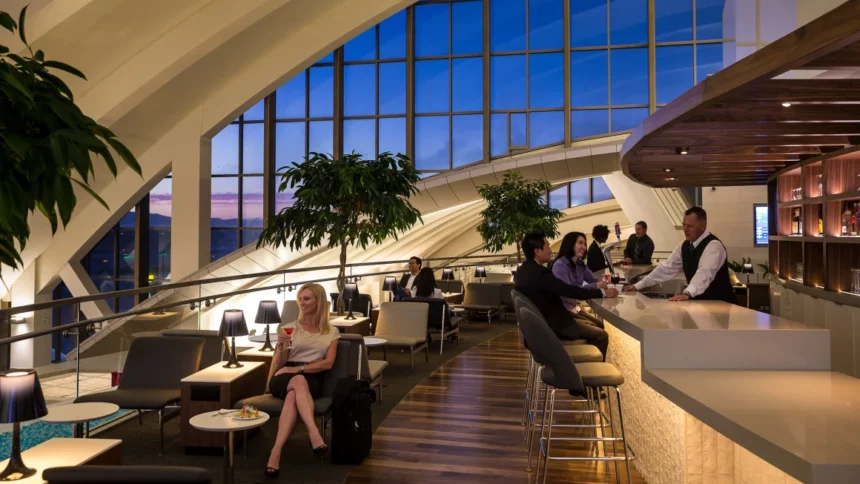
Airport lounges in the United States are no longer rarefied spaces used only by first-class passengers. As access has expanded through credit cards, memberships, and paid passes, lounges have become busier—and rules have become stricter.
- Why Airport Lounge Etiquette Matters More Than Ever
- The Difference Between Rules and Etiquette in US Airport Lounges
- Core Airport Lounge Rules You Must Follow in the USA
- Unwritten Lounge Etiquette: What Seasoned Travelers Know
- Business Travelers: Productivity Without Disruption
- Family Etiquette: The Most Sensitive Area
- Dress Code: Rare, But Not Gone
- Seasonal Crowding and Etiquette Enforcement
- Lounges to Be Extra Careful In
- Common Etiquette Mistakes That Get Travelers Removed
- Are Etiquette Rules Changing in US Airport Lounges?
- How to Protect Your Lounge Access Long-Term
- Final Thoughts: Lounge Access Is a Privilege, Not a Guarantee
Yet many travelers still assume lounges are informal, self-regulated spaces. In reality, US airport lounges operate under explicit rules and strong unwritten etiquette norms, and violations increasingly lead to entry denial, warnings, or removal.
Based on patterns observed while analyzing access rules, crowding behavior, family usage, and premium lounge standards across major US airports, this guide explains how to behave inside airport lounges in the USA, what not to do, and how to protect your access—especially as lounges tighten enforcement.
Why Airport Lounge Etiquette Matters More Than Ever
US airport lounges are facing three pressures simultaneously:
- Overcrowding, driven by credit card access
- Stricter enforcement, as lounges protect paying members
- Diverse traveler types, from solo business flyers to families
As a result, lounges are no longer “forgiving” environments. Behavior that was once ignored—phone calls, children running, excessive alcohol use—now leads to complaints and, increasingly, removal.
Understanding lounge etiquette is no longer about being polite; it’s about keeping your access.
The Difference Between Rules and Etiquette in US Airport Lounges
Before diving in, it’s important to distinguish between two things:
Official Lounge Rules
These are posted, enforceable policies:
- Entry eligibility
- Guest limits
- Time restrictions
- Dress codes (rare but present in premium lounges)
- Alcohol limits
Violating these can result in immediate denial or removal.
Unwritten Etiquette Norms
These are behavioral expectations enforced socially—or quietly by staff:
- Noise control
- Seat usage
- Food handling
- Workspace conduct
- Child supervision
Breaking these may not get you escorted out immediately—but repeated complaints often do.
Core Airport Lounge Rules You Must Follow in the USA
1. Entry Rules Are Non-Negotiable
Even if you “have access,” lounges may deny entry due to:
- Capacity limits
- Wrong terminal
- Time-before-departure rules
This is especially common at hubs like Hartsfield-Jackson Atlanta International Airport, Los Angeles International Airport, and John F. Kennedy International Airport during peak hours.
Arguing rarely helps. Staff decisions are final.
2. Guest Limits Are Strictly Enforced
Common violations include:
- Bringing extra guests without authorization
- Assuming children don’t count as guests
- Attempting to “swap” guests mid-visit
Lounges increasingly track guest entry digitally.
3. Alcohol Is Complimentary—but Not Unlimited
Most US lounges reserve the right to:
- Limit servings
- Refuse service
- Remove intoxicated guests
Overconsumption is one of the top reasons for removal.
Unwritten Lounge Etiquette: What Seasoned Travelers Know
Noise Control Is the #1 Etiquette Rule
Lounge noise complaints most often involve:
- Speakerphone calls
- Loud video meetings
- Group conversations
- Unsupervised children
Best practice
- Take calls in phone rooms or corridors
- Use headphones at all times
- Keep conversations quiet and brief
Remember: lounges prioritize quiet over comfort.
Seating Etiquette: Don’t Overclaim Space
Common seating violations:
- Occupying multiple seats with bags
- Using dining tables as workstations during meal times
- Blocking high-demand power outlets
In crowded lounges, this behavior draws immediate staff attention.
Food & Beverage Etiquette (Often Ignored, Frequently Reported)
Lounges expect:
- Reasonable portion sizes
- Single-plate service during peak times
- Respect for shared utensils
Repeated trips for large quantities of food are increasingly discouraged—especially in premium lounges with limited service windows.
Business Travelers: Productivity Without Disruption
Lounges are workspaces—but not offices.
Acceptable Behavior
- Silent work
- Headphones for calls
- Short, quiet meetings
Behavior That Draws Complaints
- Sales calls on speaker
- Group meetings at shared tables
- Laptop volume without headphones
Premium lounges at airports like San Francisco International Airport and Chicago O’Hare International Airport are particularly strict due to high business traffic.
Family Etiquette: The Most Sensitive Area
Families are welcome in most US lounges—but family behavior is the #1 source of guest complaints.
What Lounges Expect from Families
- Continuous child supervision
- No running or shouting
- Controlled use of devices with headphones
Where Families Struggle Most
- Quiet-zone lounges
- Business-focused flagship lounges
- Small or crowded lounges
Reality check: Many lounges labeled “premium” are not family-friendly, even if children are technically allowed.
Dress Code: Rare, But Not Gone
While most US lounges are casual, higher-end lounges may deny entry for:
- Bare feet
- Offensive clothing
- Sleepwear in premium spaces
Dress codes are most likely enforced in flagship lounges at international terminals.
Seasonal Crowding and Etiquette Enforcement
Peak Enforcement Periods
- Summer travel season
- Thanksgiving & Christmas
- Monday mornings and Friday afternoons
During these times:
- Staff are less tolerant
- Complaints escalate faster
- Entry privileges are revoked more quickly
Off-Peak Periods
- Midday weekdays
- Late evenings
- Shoulder seasons
Etiquette enforcement is generally more relaxed.
Lounges to Be Extra Careful In
Certain environments demand stricter behavior:
Flagship International Lounges
- Lower noise tolerance
- Higher dress and behavior expectations
Business-Focused Lounges
- Minimal tolerance for children’s noise
- Strong emphasis on quiet productivity
Small Regional Lounges
- Limited space
- Faster escalation of seating disputes
Common Etiquette Mistakes That Get Travelers Removed
| Mistake | Why It Fails |
|---|---|
| Loud phone calls | Top complaint category |
| Excessive drinking | Safety & liability |
| Letting children roam | Safety + noise |
| Seat hoarding | Crowding issues |
| Ignoring staff requests | Immediate removal |
Are Etiquette Rules Changing in US Airport Lounges?
Yes. Lounges are shifting from hospitality-first to capacity-first models. This means:
- Faster removals
- Shorter warnings
- Less flexibility
As access continues to expand, behavior—not status—determines how welcome you are.
How to Protect Your Lounge Access Long-Term
- Assume lounges are shared, not private
- Behave as if complaints are logged (often they are)
- Follow staff instructions immediately
- Match your behavior to the lounge type
- Avoid peak hours when possible
For a full understanding of access limits and costs, see:
👉 Airport Lounges in the USA: Access Rules, Costs, and What to Expect
https://www.airportguideusa.com/airport-lounges-in-the-usa-access-rules-costs-and-what-to-expect/
Final Thoughts: Lounge Access Is a Privilege, Not a Guarantee
Airport lounges in the USA are evolving. What once felt relaxed is now structured, monitored, and selectively enforced. Travelers who understand both the written rules and the unwritten etiquette enjoy better experiences—and keep their access.
Those who ignore these norms increasingly find themselves denied entry, warned, or removed.
As lounges grow busier, good etiquette has become the new premium.