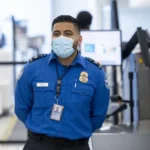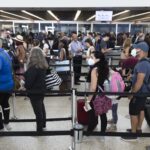


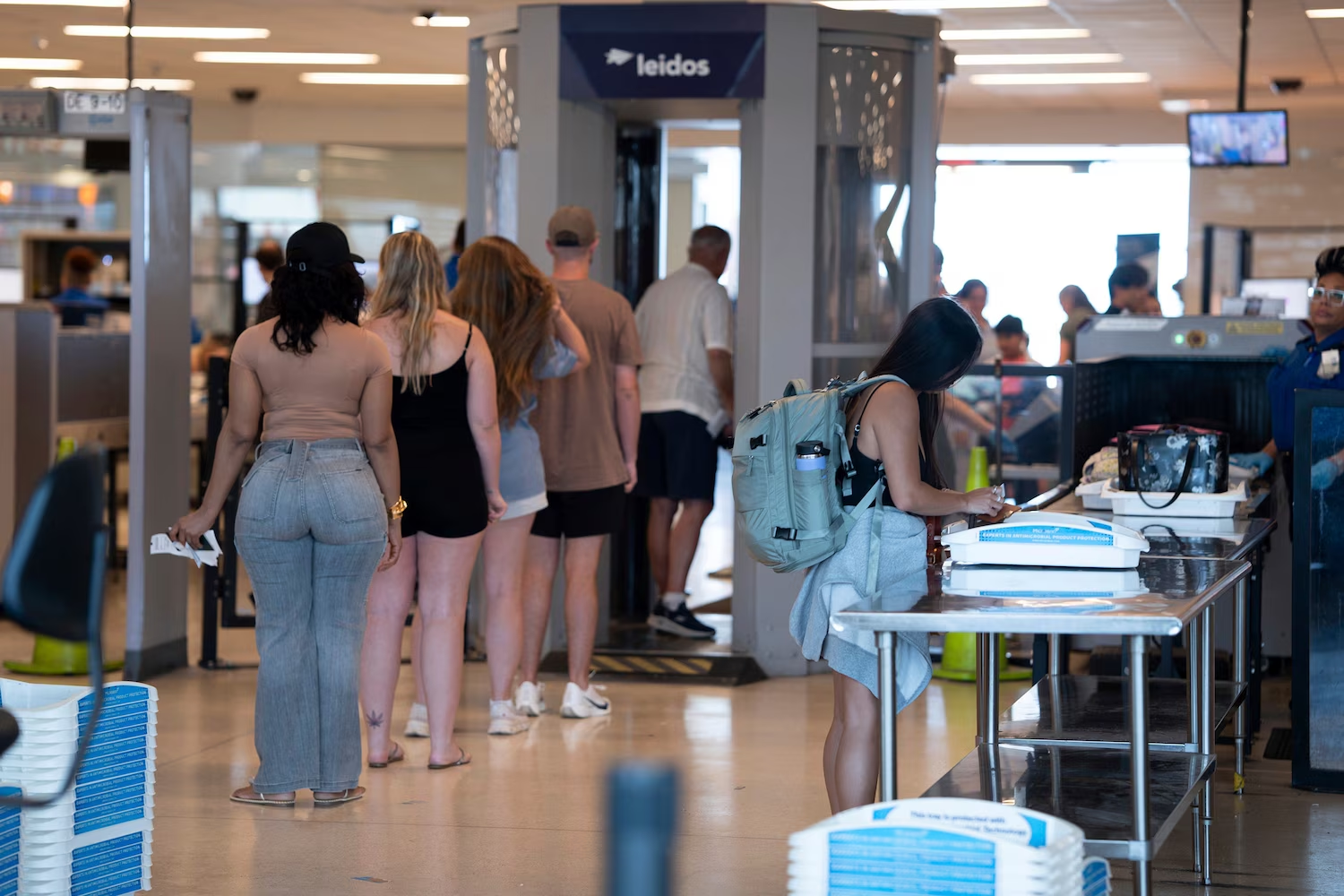
TSA wait times are one of the biggest unknowns in domestic air travel. Whether you are a frequent flyer rushing to a meeting or a first-time traveler anxious about missing your flight, airport security wait times can make or break your journey. While airlines publish boarding schedules and airports recommend arrival times, the reality of TSA screening time often feels unpredictable.
- What Are TSA Wait Times?
- Average TSA Wait Time at US Airports
- TSA Wait Times by Airport Size
- What Affects Airport Security Wait Times?
- TSA Screening Time Explained
- TSA PreCheck vs Standard Lines
- Peak Travel Seasons and TSA Delays
- How to Check TSA Wait Times Before You Fly
- Tips to Get Through TSA Faster
- TSA Wait Times for First-Time Flyers
- TSA Wait Times for Business Travelers
- Frequently Asked Questions (FAQ)
- Final Thoughts on TSA Wait Times
So how long does airport security really take in the United States? This guide explains average TSA wait times, what causes delays, how wait times vary by airport size and travel season, and what you can do to move through security faster.
What Are TSA Wait Times?
TSA wait times refer to the amount of time a passenger spends in line from entering the Transportation Security Administration checkpoint until they reach the screening scanners. This includes the ID verification stage and the physical security screening process but does not include time spent walking to the checkpoint or repacking bags afterward.
Airport security wait times fluctuate constantly. Posted estimates may not always reflect real conditions, especially during peak travel periods, staffing changes, or weather disruptions.
Average TSA Wait Time at US Airports
For domestic flights, the average TSA wait time nationwide typically ranges between 15 and 30 minutes during normal travel conditions. However, this number can increase significantly depending on the time of day and season.
Typical TSA Wait Times by Time of Day
| Time of Day | Average TSA Wait Time |
|---|---|
| Early Morning (5–8 AM) | 25–45 minutes |
| Midday (9 AM–2 PM) | 10–20 minutes |
| Afternoon (3–6 PM) | 15–30 minutes |
| Evening (7–10 PM) | 10–25 minutes |
Early mornings are consistently the busiest because multiple flights depart within short windows. Midday and late evening tend to offer shorter security lines at most US airports.
TSA Wait Times by Airport Size
Not all airports experience TSA screening time the same way. Airport size and passenger volume play a major role.
Large Hub Airports
Large hub airports handle tens of thousands of passengers daily. These airports often have multiple terminals, international departures, and high volumes of connecting flights. As a result, TSA wait times are typically longer, especially during mornings and holidays.
Travelers at large airports should expect:
- Longer security lines
- Higher variability in wait times
- Greater risk of TSA delays during peak hours
Medium-Sized Airports
Medium airports strike a balance between volume and efficiency. While they experience busy periods, security lines usually move faster than at major hubs.
Typical characteristics include:
- Moderate airport security wait times
- Fewer extreme delays
- More predictable TSA screening time
Small & Regional Airports
Smaller airports generally offer the shortest TSA wait times. Passenger volume is lower, and security checkpoints are easier to navigate.
However, these airports may have:
- Limited TSA lanes
- Fewer staff during off-peak hours
- Longer waits if staffing is reduced
What Affects Airport Security Wait Times?
Several factors influence TSA wait times across US airports:
- Time of day: Early mornings and late afternoons are busiest
- Day of the week: Fridays and Sundays see higher traffic
- Holidays and long weekends
- Weather disruptions causing flight bunching
- Staffing levels at security checkpoints
- Terminal layout and checkpoint design
- Passenger preparedness, including prohibited items and bag checks
Even one factor can significantly increase airport security wait times without warning.
TSA Screening Time Explained
Understanding how TSA screening works helps explain where delays occur.
Step-by-Step TSA Screening Process
- ID and boarding pass verification
- Carry-on bag X-ray screening
- Body scanner or metal detector
- Secondary screening if required
Each step adds time, especially when travelers are unprepared or security protocols tighten.
Common Causes of Slow TSA Screening Time
- Liquids not packed correctly
- Electronics left inside bags
- Wearing belts, jackets, or metal accessories
- Inexperienced travelers unsure of procedures
Even small mistakes multiply quickly when lines are long.
TSA PreCheck vs Standard Lines
Average TSA PreCheck Wait Time
TSA PreCheck members typically experience wait times of 5 to 10 minutes, even during busy periods. This program significantly reduces screening time by allowing travelers to keep shoes, belts, and light jackets on and leave laptops in bags.
Standard TSA Lines
Passengers without PreCheck face longer wait times, stricter screening rules, and more frequent delays. During peak travel, standard TSA wait times can exceed 45 minutes at busy airports.
| Screening Type | Average Wait Time |
|---|---|
| TSA PreCheck | 5–10 minutes |
| Standard TSA | 15–45+ minutes |
For business travelers and frequent flyers, PreCheck is one of the most effective ways to reduce airport security wait times.
Peak Travel Seasons and TSA Delays
Certain travel periods consistently cause longer TSA wait times:
- Thanksgiving week
- Christmas and New Year holidays
- Spring Break
- Summer vacation season
- Major sporting or cultural events
During these periods, TSA delays are common even at smaller airports. Travelers should arrive earlier than usual and prepare for unpredictable security lines.
How to Check TSA Wait Times Before You Fly
Although estimates are not perfect, travelers can monitor TSA wait times using:
- Airport websites and official dashboards
- Airline mobile apps
- Third-party airport wait time trackers
Remember that wait times can change rapidly due to flight delays, staffing shifts, or sudden surges in passenger volume.
Tips to Get Through TSA Faster
These proven strategies can reduce TSA screening time significantly:
- Arrive at least 2 hours early for domestic flights
- Pack liquids correctly in carry-on bags
- Wear easy-to-remove shoes and minimal accessories
- Keep travel documents easily accessible
- Avoid peak morning hours when possible
- Enroll in TSA PreCheck if you travel frequently
Prepared travelers consistently move through airport security faster than those who arrive rushed or unprepared.
TSA Wait Times for First-Time Flyers
First-time flyers often underestimate airport security wait times. Extra time is essential because unfamiliarity with TSA procedures increases screening time.
Recommendations for first-time travelers:
- Arrive earlier than experienced flyers
- Review TSA carry-on rules in advance
- Ask TSA officers questions if unsure
Allowing extra buffer time reduces stress and prevents missed flights.
TSA Wait Times for Business Travelers
Business travelers value predictability. TSA wait times are most manageable when flights are scheduled outside peak periods and travelers are enrolled in PreCheck.
Best practices include:
- Flying mid-morning or late evening
- Using mobile boarding passes
- Packing efficiently to avoid secondary screening
Time saved at security often determines whether a business trip starts smoothly or with unnecessary delays.
Frequently Asked Questions (FAQ)
How early should I arrive for a domestic flight?
Most travelers should arrive 2 hours before departure, and earlier during holidays or peak travel seasons.
What is the average TSA wait time?
The average TSA wait time at US airports is 15–30 minutes, depending on airport size and time of day.
Why are TSA lines sometimes so long?
Long lines are usually caused by passenger surges, staffing shortages, weather disruptions, or holiday travel volume.
Does TSA PreCheck really save time?
Yes. TSA PreCheck typically reduces wait times to 5–10 minutes at most airports.
What days have the shortest TSA wait times?
Tuesdays and Wednesdays generally experience the lowest airport security wait times.
Final Thoughts on TSA Wait Times
TSA wait times are an unavoidable part of air travel, but they do not have to derail your trip. By understanding average screening times, peak travel patterns, and the factors that cause delays, travelers can plan more effectively and reduce stress at the airport.
Preparation, timing, and awareness are the keys to navigating US airport security efficiently.
Plan Smarter with Airport Guide USA
For airport-specific insights, security tips, and up-to-date travel planning resources, Airport Guide USA helps domestic travelers stay informed before they leave home. Explore detailed airport guides and make smarter decisions for every trip.